Suppress electrical noise
X capacitors suppress noise between supply conductors. Y capacitors serve the relevant line-to-earth or insulation-crossing position. Identify the noise path before choosing the safety class and capacitance.
From power filtering and surge protection to temperature sensing and DC-link support, explore circuit functions and design considerations by industry.
One device may need several of these functions. Choose the component for its circuit position, then check its datasheet against the operating conditions.
X capacitors suppress noise between supply conductors. Y capacitors serve the relevant line-to-earth or insulation-crossing position. Identify the noise path before choosing the safety class and capacitance.
Varistors limit transient voltage. Select them by continuous operating voltage, clamping voltage and pulse energy, then coordinate them with the rest of the protection circuit.
A power NTC provides resistance when cold to limit charging current at start-up. Its resistance falls as it heats, so the design must also account for a restart before it has cooled.
A sensing NTC converts temperature into a resistance signal for the control circuit. Measurement accuracy also depends on its resistance–temperature curve, mounting and thermal response.
Motor switching, power conversion and long cable runs expose both controls and power stages to electrical noise and transients. Work through the AC input, DC bus and control supply separately to define filtering, surge protection and start-up current limiting.
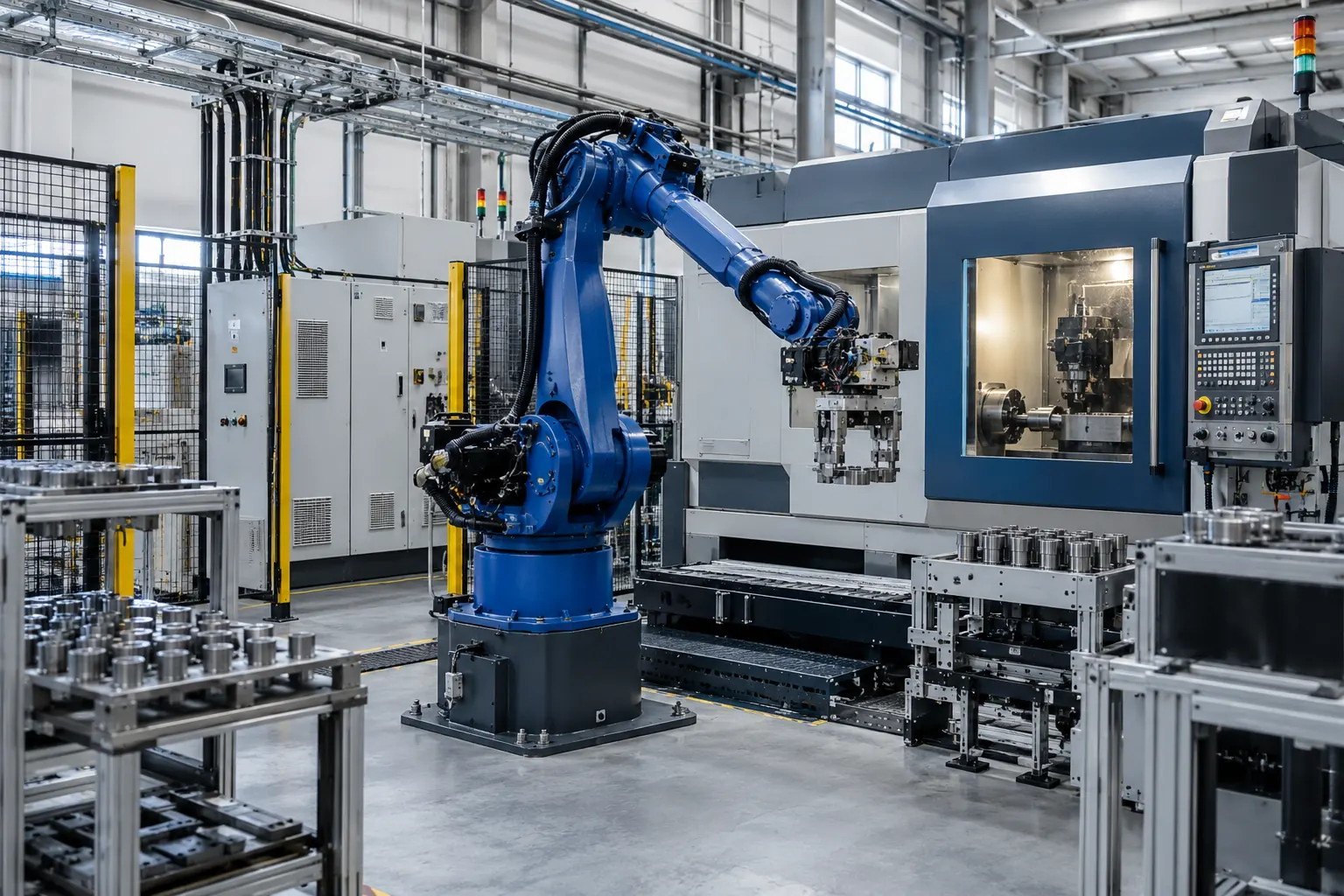
MPK/X1 and MPX/X2 film capacitors serve across-line EMI filters. CY, CD and CE safety ceramic families address common-mode filter positions that match the required safety class.
MC3D DC-Link film capacitors provide DC filtering and energy buffering in converters such as variable-frequency drives. Check the exact part against actual ripple current and temperature rise.
MOVs limit transient overvoltage, while power NTCs limit start-up current. The two components address different electrical stresses.
Charging systems and vehicle controls place different demands on insulation, EMI, temperature cycling and transient protection. STE offers safety capacitor and varistor families for automotive electronics. Selection depends on the exact part, its circuit position and the vehicle’s operating conditions.
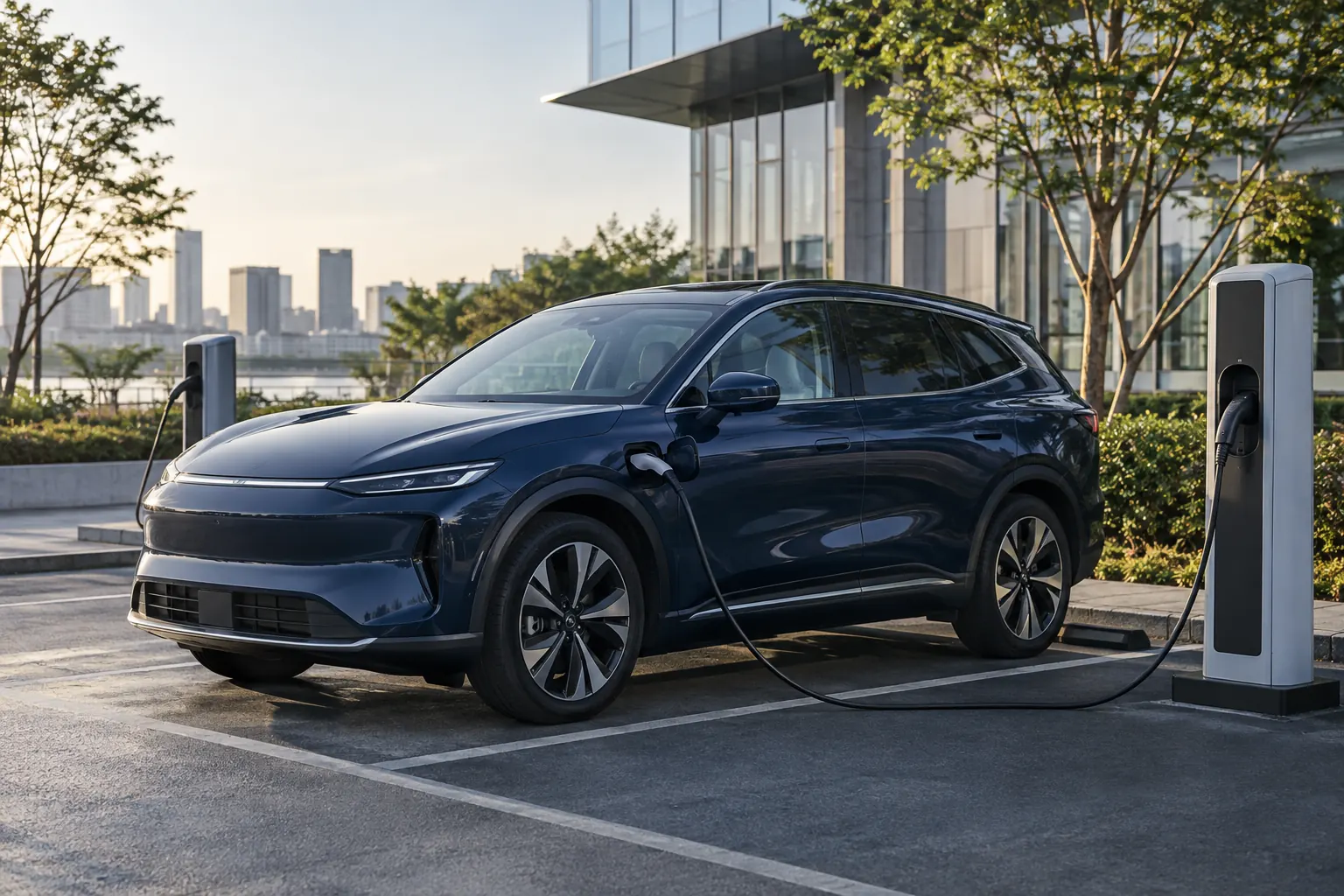
Automotive MPX/X2, MPK/X1 and MPY/Y2 film families address filter positions appropriate to their safety classes. Assess the mains input separately from the vehicle’s DC network.
Automotive CY and CE safety ceramic capacitors serve the relevant common-mode filter positions. For primary-to-secondary coupling in an isolated converter, establish the required class from the complete insulation diagram.
Automotive MOVs offer transient protection options for control and power circuits. Evaluate load dump, jump start and inductive pulses against the waveform and duration specified for the project.
Motors, heaters and switch-mode supplies share limited board space in household appliances. The input stage needs noise suppression and controlled start-up current; temperature-control circuits need a usable sensing signal. Power and sensing thermistors serve these distinct tasks.

MPX/X2 film capacitors and appropriately rated safety ceramic capacitors address across-line and common-mode noise respectively. Input MOVs limit transient overvoltage.
PP and PS power NTCs limit the inrush current that charges input storage capacitors. Account for self-heating, steady-state current and the appliance’s restart pattern.
MF51, MF52 and CWF sensing families provide resistance signals for temperature control. Match the sensor construction and mounting to the air, surface or medium being measured.
From compact chargers to AI server power supplies, power conversion brings EMI, insulation and thermal design together. Input filtering, isolation coupling, resonant conversion and inrush limiting each call for components suited to the waveform, temperature and safety requirements.
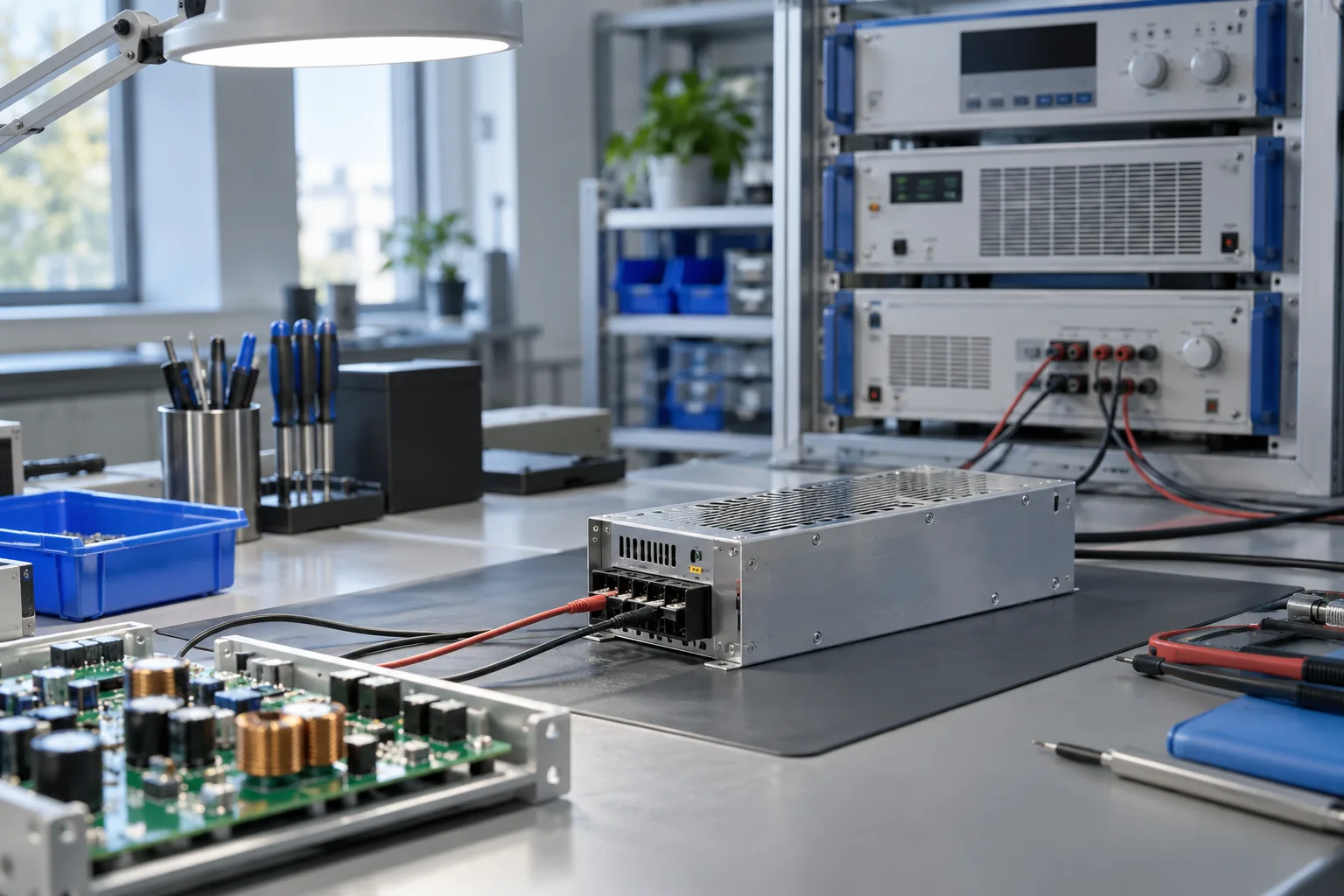
X-class film capacitors address across-line noise. Y-class ceramic capacitors serve the relevant common-mode and primary-to-secondary coupling positions. SMD-X1Y1 provides a surface-mount option.
Polypropylene film families serve the applicable pulse and resonant circuits, while MC3D addresses DC-link filtering. Choose the family from the waveform, current and thermal conditions.
Power NTCs limit storage-capacitor charging current; MOVs limit input voltage transients. Compact layouts still need sufficient thermal margin and coordinated protection.
Communication equipment needs continuous power with controlled supply noise and external transients. Start STE capacitor, thermistor and varistor selection at the power and isolation circuits. Protection on high-speed data lines needs a separate signal-integrity assessment.
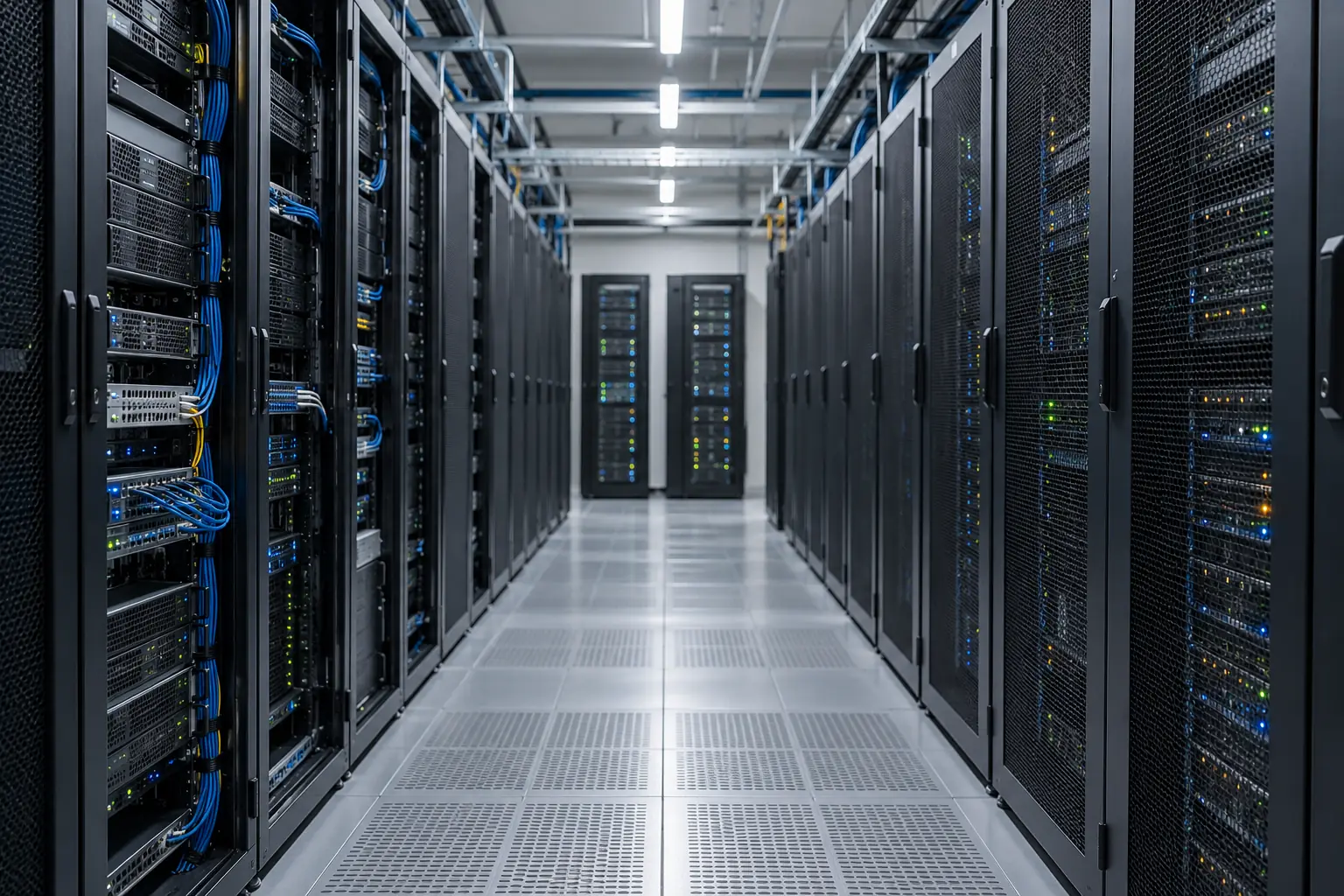
Safety film and ceramic capacitors suppress EMI in the equipment’s power supply. Select Y-capacitor values together with the leakage-current budget and insulation requirements.
Varistors can protect suitable power-entry points against transients. Their suitability depends on the installation point, voltage range and pulse conditions.
SMD safety capacitors offer a packaging option for height-constrained power boards. Sensing NTCs provide signals for equipment temperature monitoring.
Photovoltaic and storage converters face DC-bus ripple, power cycling and changing environmental conditions over long service periods. Design the DC link, AC-side filter and surge protection for their respective operating conditions, including damp heat and condensation where exposed.

MC3D film capacitors provide DC filtering and energy buffering in converters and solar inverters. Review ripple current, hot-spot temperature and the intended service life.
X- and Y-class safety capacitors suppress noise at the appropriate AC filter positions. THB film families are an option to review for damp-heat exposure, using the test conditions of the relevant datasheet.
MOVs contribute to transient voltage limiting and must coordinate with upstream protection, fusing and thermal-failure handling. A single MOV does not replace a system-level lightning-protection design.
Monitoring and alarm equipment depends on its auxiliary power supply and control circuits. Address supply noise, switching transients and start-up current separately, with component selection supporting the equipment’s continuity and fault-response requirements.

MPX/X2 and the appropriate Y-class safety capacitors address across-line and common-mode noise in auxiliary supplies, helping manage noise that reaches control circuits.
MOVs limit transient voltage at suitable input points. Cable length, the installation environment and upstream protection affect the stress reaching the component.
Power NTCs can limit charging inrush in suitable supplies. Systems with backup power or repeated switching need validation of restart temperature and recovery time.
Lighting supplies must control EMI while handling switching, input surges and heat inside the luminaire. Outdoor and horticultural installations can add moisture exposure and long operating periods, so component selection needs to reflect the actual fixture environment.

X-class film and the appropriate Y-class ceramic capacitors serve the differential- and common-mode filters in LED drivers. SMD safety families offer an option for compact layouts.
MOVs limit input voltage transients and power NTCs limit charging current at start-up. Frequent switching requires checking the current-limiting behavior of a still-hot NTC.
THB film families provide an option for damp-heat exposure. Check the exact part against applied voltage, temperature, humidity and the equipment’s service-life requirements.
Auxiliary supplies, controls and high-voltage power stages in medical equipment have different insulation and noise constraints. STE component selection starts with these electrical functions. Equipment safety and patient-related protection must be established in the complete device design.
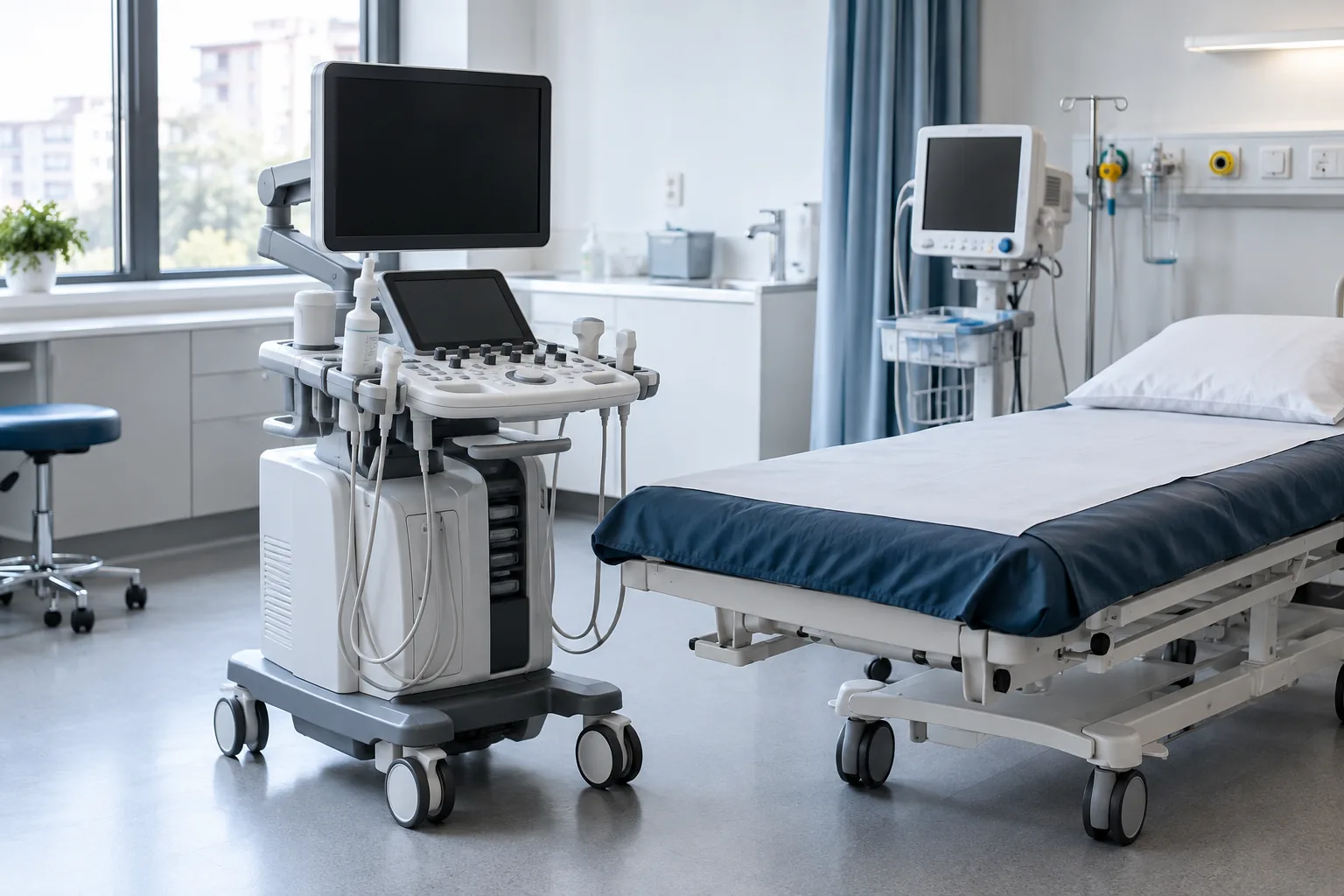
Safety ceramic and film capacitors serve suitable power-supply filter positions. For line-to-earth or isolation-crossing locations, work back from the equipment’s leakage-current and insulation requirements.
HV/SV ceramic families offer capacitors for high-voltage bypass, coupling and DC supplies. SV capacitors can serve suitable X-ray power-supply circuits. Selection requires the actual voltage waveform and electric-field environment.
Sensing NTCs provide resistance signals for supply and equipment temperature monitoring. For body-temperature measurement, review NTC families intended for electronic thermometers and validate the complete measurement system separately.
Share the circuit position, operating voltage and waveform, temperature, space constraints and approval requirements. STE engineers can help you review series options, datasheets and samples.
Use the exact part’s datasheet for final selection and validate it in your application.